
What Are the Most Common Roofing Problems? A Field Guide for Homeowners
Most common roofing problems start small and grow quietly over time. For example, a lifted shingle lets high wind get underneath. Similarly, cracked pipe boots allow water to drip directly onto the wooden decking. In addition, clogged gutters push heavy water back under the roof edge. Therefore, by the time a dark water stain shows on your ceiling, the damage often runs deeper than it appears on the surface.
Our experienced crew at Renewable Roofing Solutions inspects, repairs, and replaces residential and commercial roofs from our headquarters in Sonora, Kentucky. Consequently, we encounter the exact same failure points on job after job across Sonora, Louisville, Elizabethtown, Shepherdsville, and Central Kentucky. This comprehensive guide walks through each issue, explains what causes it, and details how a certified professional fixes it.
Above all, Kentucky weather constantly tests every roofing system. In the spring, severe storms bring destructive hail and gusty winds. Meanwhile, hot summer heat bakes attic spaces and dries out shingles. Later in winter, continuous freeze-thaw cycles turn small hairline gaps into wide open seams. When homeowners understand these common roofing problems, they can act quickly before a minor leak becomes an expensive full roof replacement.

The 10 Most Common Roofing Problems We Find
These issues regularly occur on asphalt shingle, standing seam metal, tile, and commercial flat roofs alike. Furthermore, several of these defects frequently appear together, because one minor failure quickly triggers the next.
1. Hidden Roof Leaks Far From the Ceiling Stain
Roof leaks rank as the number one reason local homeowners call our Sonora office. However, water rarely drips straight down from its initial point of entry. Instead, it travels along roof decking, rafters, and attic insulation before dripping onto your drywall. For instance, a water stain above your bedroom ceiling can easily trace back to chimney flashing ten feet away. If rainwater is actively entering your living space, our rapid emergency roof leak repair crew can quickly tarp the roof to stop further property damage.
2. Damaged, Curling, or Missing Shingles
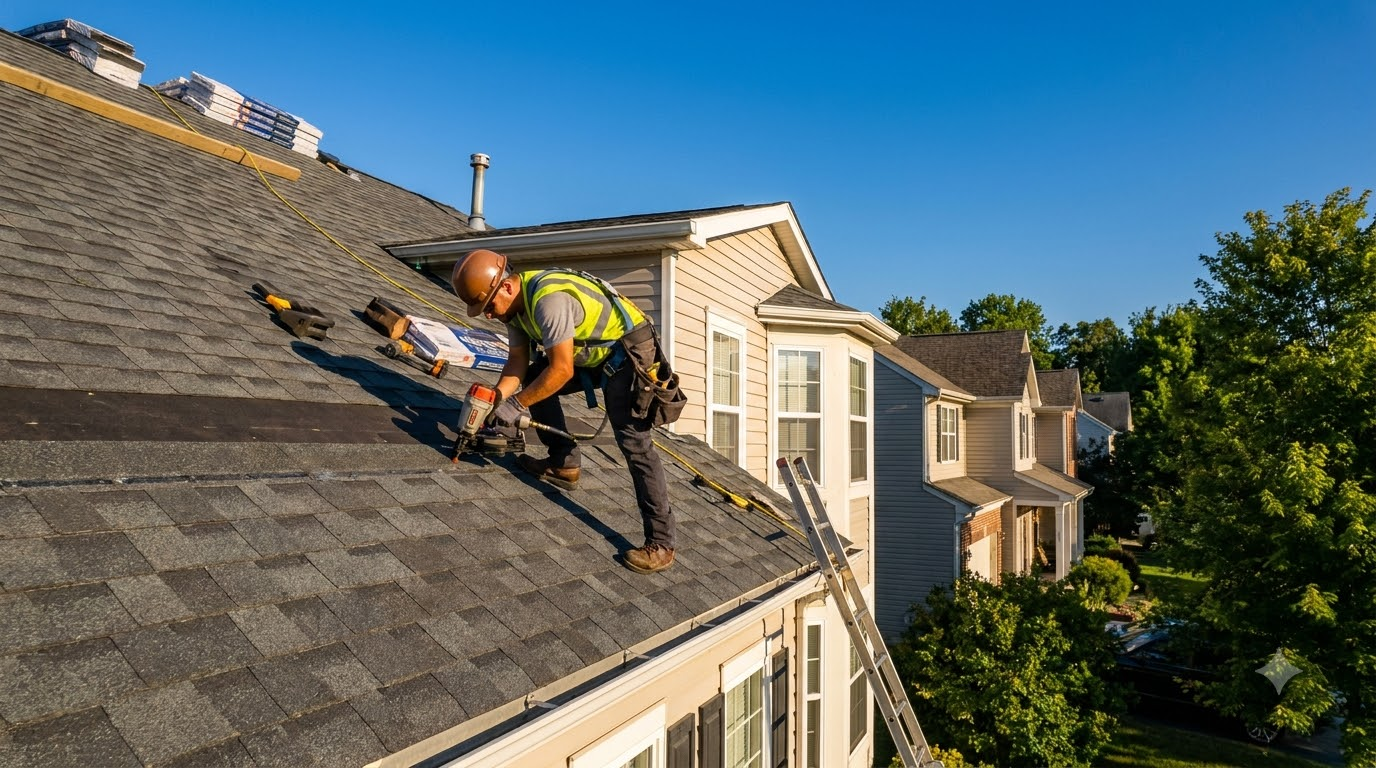
Shingles take the full punishment of sun, wind, and storm debris. Over several years, asphalt shingles lose protective mineral granules, dry out, and begin to curl. As a result, gusty winds easily lift the weakened edges and snap the adhesive seal strip. Whenever a shingle blows off, it exposes the delicate underlayment layer underneath. Therefore, homeowners should routinely check their yards for loose shingles and look for heavy granule accumulation in downspouts.
3. Flashing Failures at Chimneys and Valleys
Flashing consists of thin sheet metal designed to waterproof joints where the roof meets vertical surfaces. In particular, chimneys, dormers, skylights, and roof valleys rely entirely on secure flashing. Unfortunately, inexperienced installers often reuse corroded metal or rely solely on cheap caulk. Because sealant cracks and dries within a few seasons, water seeps directly behind the masonry. In fact, most chimney leaks originate from failing step flashing rather than the shingles themselves.
4. Cracked Pipe Boots and Penetrations
Every plumbing vent pipe, bathroom exhaust fan, and satellite dish penetrates through your roof decking. Over time, neoprene rubber pipe boots deteriorate and crack from harsh ultraviolet sunlight. Consequently, rainwater drips quietly around the pipe and saturates attic framing. Because these small leaks remain hidden inside walls, they often cause extensive rot before anyone notices them.
5. Inadequate Attic Ventilation
Poor attic ventilation causes severe structural damage while staying out of sight. Without a balanced system of soffit intake vents and ridge exhaust vents, superheated air builds up in your attic during summer. In turn, that trapped heat cooks the shingles from underneath and cuts their expected lifespan in half. Furthermore, during winter months, trapped household moisture condenses against cold roof decking and creates harmful mold. According to standards established by the National Roofing Contractors Association (NRCA), balanced airflow remains essential for manufacturer warranty protection.
6. Clogged or Sagging Gutter Systems
Gutters protect your roof edges, wooden fascia boards, and building foundation. When decaying leaves and loose granules accumulate, rainwater backs up beneath the metal drip edge. Consequently, wooden fascia boards rot, and winter ice dams form much faster. Installing seamless aluminum gutters alongside micro-mesh seamless gutters and gutter guards effectively eliminates clogs and protects your roof perimeter.
7. Severe Storm, Wind, and Hail Impact
Kentucky frequently experiences intense spring hail and high-wind thunderstorms. Wind can crease shingles across the tab line, while hailstones shatter the internal fiberglass matting. Although hail damage often looks like minor scuffs from ground level, close inspection reveals bruised spots and missing granules that cause premature leaks.
8. Ponding Water on Flat and Low-Slope Roofs
Commercial flat roofs require adequate slope toward drainage outlets. When pooled water stands for longer than 48 hours after rain, it exerts immense pressure on seams. Moreover, clogged internal drains, sagging roof decks, and missing tapered insulation cause persistent ponding on TPO, EPDM, and modified bitumen roofs.
9. Rotted Wooden Decking and Soft Spots
Roof decking serves as the structural wood foundation beneath all shingles and underlayment. Long-term moisture infiltration and poor ventilation quickly turn solid plywood spongy. As a result, loose roofing nails pull out, compromising shingle wind resistance and creating dangerous fall hazards for anyone walking on the roof.
10. Substandard Workmanship and Code Shortcuts
Regrettably, some of the most problematic roofs we inspect are less than five years old. Unqualified contractors often cut corners by skipping ice-and-water barriers, high-nailing shingles, or reusing damaged flashing. Therefore, superior craftsmanship and licensed installation protect your home far better than choosing the lowest bid.
Evaluating Common Roofing Problems: A Step-by-Step Guide
A thorough professional diagnosis ensures you invest in the right long-term solution. Our team always follows an orderly, step-by-step evaluation protocol:
Step 1: The Preliminary Needs Assessment
First, we review vital baseline information regarding your roofing system. For example, our roofers evaluate the following factors:
- Roof Age: An 8-year-old shingle roof requires a very different approach than a 22-year-old roof.
- Visible Symptoms: We note missing shingles, sagging ridge lines, and interior ceiling watermarks.
- Active Leaks: We prioritize emergency containment before completing cosmetic repairs.
- Cooling Costs: Rising electric bills often indicate severe attic heat buildup.
Step 2: The Multi-Point Roof Inspection
Next, homeowners searching for a certified roof inspection near me receive our comprehensive multi-point diagnostic check. Specifically, our certified technicians examine:
- Shingle Condition: We evaluate granule loss, wind creases, and adhesive bond strength.
- Metal Flashing: We inspect chimneys, sidewalls, and valleys for rust and missing counter-flashing.
- Penetrations: We check pipe boots, exhaust vents, and satellite fasteners.
- Attic Decking: We inspect the underside for moisture stains, mold, and rot.
- Drainage Flow: We verify gutter slope, downspout clearance, and fascia condition.
Roof Repair vs Roof Replacement: Choosing the Right Option
Deciding between targeted repair and complete replacement depends on the overall health of your roof. Here is our practical decision matrix:
| Option | When It Fits Best | When You Should Avoid It |
|---|---|---|
| Roof Repair | Damage stays isolated to one area, shingles remain pliable, and decking is sound. | Shingles are brittle across the roof, or multiple leaks reoccur in different rooms. |
| Partial Replacement | One roof plane suffered tree or storm impact, and matching shingles exist. | The remaining roof is near the end of its lifespan, creating noticeable mismatched colors. |
| Full Replacement | The roof exceeds its expected lifespan, leaks are widespread, or decking has rotted. | The issue is a single pipe boot leak on a relatively young, healthy roof. |
For instance, an isolated leak around a plumbing pipe calls for targeted roof repair, not a complete tear-off. However, when widespread granule loss and brittle shingles appear, scheduling a complete roof replacement delivers true peace of mind and maximum warranty coverage.
How Different Roofing Materials Handle Common Problems
Each material offers distinct durability benefits and failure points. Choosing the ideal roofing material for Kentucky requires balancing climate conditions, structural design, and long-term budget.
| Material | Typical Lifespan | Most Common Failure Modes |
|---|---|---|
| Architectural Shingles | 25 to 30 years | Hail bruising, wind lift, and ventilation wear |
| Standing Seam Metal | 45 to 70 years | Fastener movement, sealant aging, and hail dents |
| Commercial Flat (TPO/EPDM) | 20 to 30 years | Standing ponding water, punctures, and seam separation |
Similarly, for business facilities, addressing drainage problems promptly avoids disruptive interior downtime. When commercial roof membranes become waterlogged, opting for a professional commercial flat roof replacement provides superior energy efficiency and complete building protection.
FAQ: Understanding Common Roofing Problems
What is the most common cause of roof leaks?
Flashing failures and plumbing vent penetrations cause far more leaks than shingles themselves. For example, chimney flashing and rubber pipe boots crack from temperature swings. As a result, water enters the attic and travels several feet along rafters before staining the ceiling below.
How do I know if I need a repair or a full replacement?
First, consider the age of your roof and the extent of the damage. An isolated leak on a young roof simply requires a repair. However, if your shingles are brittle and curling across the entire surface, replacement is the more cost-effective choice.
How often should a Kentucky homeowner schedule a roof inspection?
We recommend a professional inspection once per year. Furthermore, you should schedule a checkup immediately following severe hail or wind storms. Fall is an especially ideal time to identify and repair minor issues before winter freezes arrive.
Resolve Common Roofing Problems Before Major Damage Occurs
Promptly addressing warning signs protects your home and prevents costly structural rot. Whether you notice loose granules, damp attic decking, or lifted shingles, early intervention saves thousands of dollars.
Our certified crew at Renewable Roofing Solutions proudly serves homeowners across Sonora, Louisville, Elizabethtown, and Central Kentucky. Contact our office today to request a free roofing estimate or call us at (502) 664-8006.