

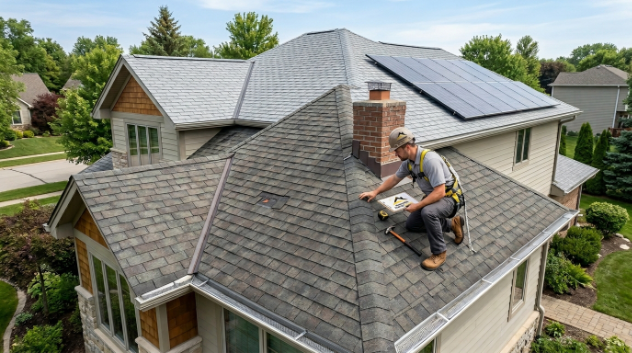
Your roof shields all of the things beneath it, but most homeowners never take into account it. There is also a time factor with roof replacement, because it’s an expensive undertaking. You may end up wasting money on good years if you delay too long. Failure to leave longer will result in leaking problems that will damage your decking, insulation and in-side. This guide will help you know when to replace roofing. It covers materials, warning signs, costs, and the 2026 solar question. You will learn to judge repair against replacement with confidence.
There’s no single number that will work for all roofs. The lifetime will vary depending on the material, climate, ventilation and installation. Poorly built roof will not last many years as compared to a well designed better built architectural shingle roof. Renewable Roofing Solution provides complimentary estimates and inspections around [City, State]. You can’t determine what your particular roof is like without an inspection. You’ll discover in this article the structure that is employed every day by professionals.
The Short Answer Depends on Your Roofing Material
Replacement rates are closely related to roof material. Each material has a standard and typical life time range. Think of these as approximations, rather than certainties. These real world outcomes vary depending on weather, maintenance and install quality.
Asphalt Shingles
In the United States asphalt is the most prevalent roofing material. There are two major grades in the market. The life span of 3 tab shingles is typically 15-20 years. Architectural (also known as dimensional) shingles generally have a lifespan of 25-30 years. These thicker shingles are more expensive but are more wind- and wear-resistant. Most homeowners comparing budgets start their research here.
Metal Roofing
The barns are no longer the only places to see the use of a metal roof. The service life of a high quality metal roof is 40-70 years. Standing-seam systems are on the high end of the spectrum. This material has a good heat reflective property and anti-snow property. Costs more initially than asphalt. With decades of operation and long life, with low maintenance, that cost is justified.
Clay and Concrete Tile
Clay and concrete tile suit hot and coastal climates well. These roofs often last 50 years or more. The tiles themselves resist fire, rot, and insects. Tile is heavy, so your structure must support the load. Underlayment beneath the tile usually needs replacing sooner. Budget for that mid-life underlayment work.
Slate
Slate is the longest-lasting common roofing material. A genuine slate roof can last 75 to 100 years or more. The material is premium, and so is the price. Slate demands skilled installers and a strong roof frame. Few homes justify the investment, but historic properties often do.
Flat and TPO Roofing
Flat and low-slope roofs use membranes like TPO, EPDM, or PVC. These systems commonly last 20 to 30 years. Ponding water and seam failure drive most early problems. Businesses weighing a flat roof project should budget for recoating and repairs. Regular inspection extends membrane life significantly.
| Roofing material | Typical lifespan (well-maintained) |
| 3-tab asphalt | 15 to 20 years |
| Architectural asphalt | 25 to 30 years |
| Metal | 40 to 70 years |
| Clay or concrete tile | 50+ years |
| Slate | 75 to 100+ years |
| Flat / TPO membrane | 20 to 30 years |
Why Two Identical Roofs Age Differently
Two homes on the same street can need roofs decades apart. Material sets the baseline, but four factors decide the real outcome.
Climate and Weather Exposure
The main damage to any roof comes from weather. Over time, asphalt becomes extremely hot in the sun, and cracks. Hail causes shingles to be bruised, and reduces their life. Absorbs the edges and pulls tabs from the paper. Moisture is forced into small spaces by the freeze-thaw process. Some metals corrode at a faster rate in a coastal salt air environment.
Ventilation and Attic Conditions
Attic ventilation quietly controls how long shingles last. Trapped heat cooks a roof from underneath. Poor airflow bakes shingles and warps decking. Moisture buildup rots wood and feeds mold. Balanced intake and exhaust vents protect the whole system. Skipping ventilation to save money shortens roof life.
Installation Quality
Installation quality separates a 25-year roof from a 15-year one. Correct nailing keeps shingles anchored in storms. Proper flashing seals the spots where leaks start. Good underlayment adds a second line of defense. Cut corners here, and warranties often become void. Skilled crews follow manufacturer instructions to the letter.
Maintenance History
Regular maintenance can add years to a roof. Clean gutters keep water moving off the surface. Prompt repairs stop small leaks from spreading. Removed debris prevents moisture from sitting on shingles. Trimmed branches reduce abrasion and falling limbs. Neglect does the opposite and speeds failure.
Signs Your Roof Is Near the End
Roofs rarely fail overnight. They send warning signs for months or years first. Learning to read those signs saves money and stress.
Age-Based Warning Signs
Age alone is a strong first clue. Check your records for the last replacement date. An asphalt roof past 20 years deserves close attention. Neighbours replacing roofs often signal a shared build era. Match the age against the material ranges above.
Visible Damage You Can Spot
Some damage shows clearly from the ground. Look for curling, cupping, or buckling shingles. Bald patches mean the protective granules have washed away. Granules collecting in gutters point to advanced wear. Missing shingles leave the underlayment exposed to water. Sagging rooflines suggest structural or decking trouble.
Interior Clues
Your attic and ceilings tell an honest story. Water stains on the ceiling signal an active leak. Daylight through the roof boards means open gaps. Rising energy bills can point to failing ventilation. A musty attic smell often reveals trapped moisture. Track these clues before small issues grow expensive.
What a Professional Roof Inspection Covers
A trained inspector sees what an untrained eye misses. Roofing work is dangerous on steep or damaged roofs. Skip the DIY climb and book a professional instead. A search for roof inspection near me should lead to licensed, insured pros. Renewable Roofing Solution provides free inspections, so you can book a free roof inspection and estimate without pressure.
A thorough inspection follows a checklist. The inspector examines shingles for wear, cracks, and lifting. Flashing around chimneys and vents gets close scrutiny. Decking is checked for soft spots and rot. Underlayment condition reveals hidden moisture problems. Ventilation and attic airflow get measured too. Roof penetrations like pipes and skylights need tight seals.
The inspection produces a clear scope and a written estimate. Only an on-site visit confirms materials, timeline, and price. Anyone quoting a firm price sight-unseen is guessing.
Repair, Partial Replacement, or Full Replacement
Not every problem needs a whole new roof. Choosing correctly comes down to age, damage extent, and cost. The roof repair vs roof replacement decision deserves real analysis.
When a Repair Is Enough
Repairs fit younger roofs with isolated damage. A few missing shingles after a storm often just need replacing. Localized flashing leaks respond well to targeted fixes. Our targeted roof repair work handles these contained problems. Repair makes sense when the roof still has years left.
When Partial Replacement Fits
Partial replacement suits damage confined to one slope or section. A single storm-hit side may need new shingles. Matching old and new shingles can prove difficult. Colour and weathering rarely line up perfectly. This route saves money but can look uneven.
When Full Replacement Is the Right Call
Full replacement becomes the smart choice past a certain point. Widespread damage across multiple slopes signals the end. A roof near its age limit rarely justifies repeated repairs. Repeated leaks and rising repair bills add up fast. Choosing a full roof replacement resets the clock and the warranty. Sometimes the cheapest path is the complete one.
The Cost of Getting This Decision Wrong
Wrong calls in this decision get expensive. Selling a replacement when a repair would do wastes money. A repair sold when replacement is needed only delays the inevitable. An overlay over old shingles hides rotting decking underneath. Skipping tear-off can trap moisture and shorten roof life. Cutting flashing or underlayment to lower a bid backfires later.
How Much Does a Roof Replacement Cost?
Homeowners always ask about price first. Honest answer: it varies widely. Cost depends on roof size, pitch, material, and region. Tear-off of old layers adds labour and disposal fees. Complex roofs with many valleys and penetrations cost more. Anyone searching roof replacement cost in Dallas, TX should expect a range, not one number.] should expect a range, not one number. Always get a written local quote after an inspection.
Material choice drives much of the total. Asphalt sits at the affordable end. Metal, tile, and slate climb from there. Permits and local building codes add required costs. Skipping permits can fail inspection and void coverage. A licensed affordable roofing contractor in Dallas, TX should itemize every line.
Choosing the Right Material for Your Home
The best roofing material for [your region] depends on more than looks. Climate should lead the decision. Hot, sunny areas favour reflective metal or tile. Storm-prone regions need strong wind and impact ratings. Roof slope also limits your options. Low-slope roofs cannot use standard shingles safely.
Budget shapes the shortlist next. The metal roofing vs asphalt shingles cost gap is real. Asphalt costs less upfront and installs quickly. Metal costs more but lasts far longer. Spread across decades, metal can win on total cost. Weigh upfront price against lifespan and upkeep together.
Structure and rules matter too. Heavy materials like slate need a strong frame. Some neighbourhoods enforce HOA colour and style rules. For lower bills, look at energy efficient roofing options like reflective coatings. You can compare choices through our roofing services overview.
Residential and Commercial Roofs Differ
Homes and businesses follow different roofing logic. Sloped residential roofs shed water by design. Commercial buildings usually rely on flat membrane systems. Budget cycles and operating hours shape commercial timing. A commercial flat roof replacement centers on drainage, seams, and recoating. Match the approach to the building type.
Storm Damage, Insurance, and Emergency Repairs
Severe storms send many homeowners looking for help fast. Hail and high winds cause sudden, serious damage. A fast leak calls for emergency roof leak repair right away. Tarp the area and document everything with photos. Then arrange storm damage roof repair with a licensed pro. with a licensed pro.
Insurance claims follow their own process. Your policy may cover sudden storm damage, not slow wear. An adjuster inspects and decides on coverage. No contractor can guarantee claim approval in advance. Keep records of the damage, dates, and repairs. A reputable roofer documents damage clearly for your claim.
Should You Add Solar When You Replace Your Roof?
Replacing your roof opens a natural window for solar. A new roof supports panels for their full lifespan. Mounting solar on an old roof creates future problems. The 2026 rules changed the math, so read carefully.
The 2026 Federal Tax Credit Reality
The federal residential solar tax credit changed sharply. Section 25D expired on December 31, 2025. A homeowner who buys a system in 2026 gets no federal residential credit. Systems finished by that 2025 deadline can still claim on a 2025 return. Lease and PPA paths may still pass value through the commercial credit. Those third-party routes carry their own deadlines and rules. State and utility incentives still exist and vary by location.
Ask a tax professional about your specific situation. For neutral guidance, ENERGY STAR at energystar.gov is a solid starting point. Never assume a 30 percent federal credit on a purchased 2026 system.
When Roof-Plus-Solar Makes Sense
Solar still pays off for many homes, even without the federal credit. The solar roofing vs traditional roofing savings comparison hinges on your utility rates. High electricity prices shorten the payback period. Strong sun exposure and a south-facing slope help a lot. A shaded or north-facing roof weakens the return. So is solar worth it in 2026? It depends on rates, sun, and financing, not one flat answer.
Panel prices also shape the math. The solar panel installation cost in 2026 varies by system size and location. Get a custom quote tied to your actual energy use. You can explore solar panel installation options with a real estimate.
Solar Shingles Versus Mounted Panels
Homeowners now choose between two solar formats. Mounted panels attach to racks above the shingles. Solar shingles integrate into the roof surface itself. Mounted panels usually cost less and produce more per dollar. Integrated shingles look cleaner but cost more. Match the format to your budget and design goals.
Reading a Roofing Quote Before You Sign
A good quote protects you from surprises. Read every line before you sign anything. Confirm the full scope of work in writing. Check the exact material brand and product line. Verify tear-off versus overlay clearly. Look for permit responsibility and who pulls them.
Separate the material warranty from the workmanship warranty. Material warranties cover product defects from the manufacturer. Workmanship warranties cover installation errors from the roofer. Both matter, and their lengths differ. Never assume a warranty is lifetime unless stated. Read the conditions that keep each warranty valid.
Confirm the timeline and weather contingencies. Ask how the crew protects landscaping and gutters. Cleanup and nail sweeps should appear in the contract. Review the payment schedule before work starts. Avoid paying the full amount upfront. Ask about roof financing options if you need to spread cost.
How Different Homeowners Decide
Priorities shift depending on the situation. Three common homeowner types show the pattern clearly.
First-Time Homeowners
First-time owners often feel overwhelmed by roofing choices. They want clear guidance and honest pricing. Their questions center on cost, lifespan, and warranty. A patient inspection and plain explanations build trust. Learning the basics helps them avoid overpaying. Starting with education leads to better decisions.
Storm Damage and Insurance Claims
Storm-hit owners act under pressure and stress. They need fast, documented, professional help. Their focus lands on the insurance process. A roofer who documents damage well eases the claim. Speed matters, but proper paperwork matters more. Rushing without records can hurt the outcome.
Preparing to Sell
Sellers weigh roof condition against asking price. A failing roof can scare off buyers quickly. Some sellers replace to boost value and speed a sale. Others negotiate a credit instead of replacing. An inspection report gives sellers real leverage. Buyers trust a documented, recent roof.
Warranties Explained in Plain Terms
Warranties confuse many homeowners, so let us simplify. A manufacturer warranty covers the roofing product itself. Coverage often requires registration and approved installation. A workmanship warranty covers the installer labour. Length and terms vary by company. Read both documents and keep them on file.
Installation mistakes can void a manufacturer warranty. Manufacturers require specific underlayment, ventilation, and nailing. Skipping any requirement risks losing coverage entirely. This is one more reason to hire licensed pros. You can meet the team behind Renewable Roofing Solution before you commit.
Frequently Asked Questions
How often should I replace my roof?
Replacement timing depends mostly on your roofing material. Asphalt roofs often last 15 to 30 years by grade. Metal, tile, and slate last much longer. Climate, ventilation, and installation quality shift these ranges. Book an inspection once your roof passes 15 years. Age plus visible damage usually signals the right time.
Can I just repair my roof instead of replacing it?
Repair works well for younger roofs with isolated damage. A few storm-damaged shingles rarely need a full replacement. Widespread wear or an aging roof changes the answer. Repeated repairs on an old roof waste money. An inspection compares repair cost against replacement value. Match the fix to the roof real condition.
How much does a new roof cost?
Cost varies with size, pitch, material, and region. Asphalt sits at the lower end of pricing. Metal, tile, and slate cost significantly more. Tear-off, permits, and complex designs add to the total. No honest contractor quotes a firm price without inspecting. Always request a written, itemized local estimate first.
Is solar worth it in 2026 without the federal tax credit?
The federal residential credit expired at the end of 2025. Buyers in 2026 receive no federal residential credit. Solar can still pay off through lower utility bills. High electricity rates and strong sun improve the payback. Lease and PPA paths may still pass through some credit value. Ask a tax professional and get a custom quote.
How do I know if storm damage qualifies for insurance?
Only your insurer and adjuster can confirm coverage. Sudden storm damage is often covered, unlike slow wear. Document the damage with dated photos right away. Keep receipts for any emergency repairs you make. A roofer can document damage to support your claim. No contractor can promise approval before the adjuster decides.
Should I replace my roof before installing solar?
A new roof and solar pair well together. Panels can last as long as a new roof. Mounting solar on an old roof creates future removal costs. Replace first if your roof is near the end. A sound, newer roof can skip replacement for now. An inspection settles the timing question clearly.
What warranty should a new roof come with?
A new roof carries two separate warranties. The manufacturer covers the material against defects. The installer covers the workmanship and labour. Terms and lengths vary between companies and products. Registration and code-compliant installation often protect coverage. Read both warranties before you sign the contract.
Get Real Answers From an Inspection
Your roof rarely fails on a convenient schedule. Watching age, damage, and inspection results keeps you ahead. Repair, partial replacement, and full replacement each have a place. Only an on-site inspection confirms scope, materials, and price. Book a free estimate and inspection when you need real answers. Explore more roofing and solar guides for deeper reading. Renewable Roofing Solution serves [City, State] with free estimates and honest assessments.

Mauris non dignissim purus, ac commodo diam. Donec sit amet lacinia nulla. Aliquam quis purus in justo pulvinar tempor. Aliquam tellus nulla, sollicitudin at euismod.
Mauris non dignissim purus, ac commodo diam. Donec sit amet lacinia nulla. Aliquam quis purus in justo pulvinar tempor. Aliquam tellus nulla, sollicitudin at euismod